
How it works

There are two broad ways to turn a long or wide garden into a new home with us. You can sell or partner on the plot and keep your house, or you can keep the land and have us design, get planning for and build a new home on it for you.

Both routes start in the same place: a free garden plot appraisal with no obligation. From there, every step is agreed in writing before it happens, you have your own solicitor, and planning decisions stay with the council. Here’s what each route usually looks like.

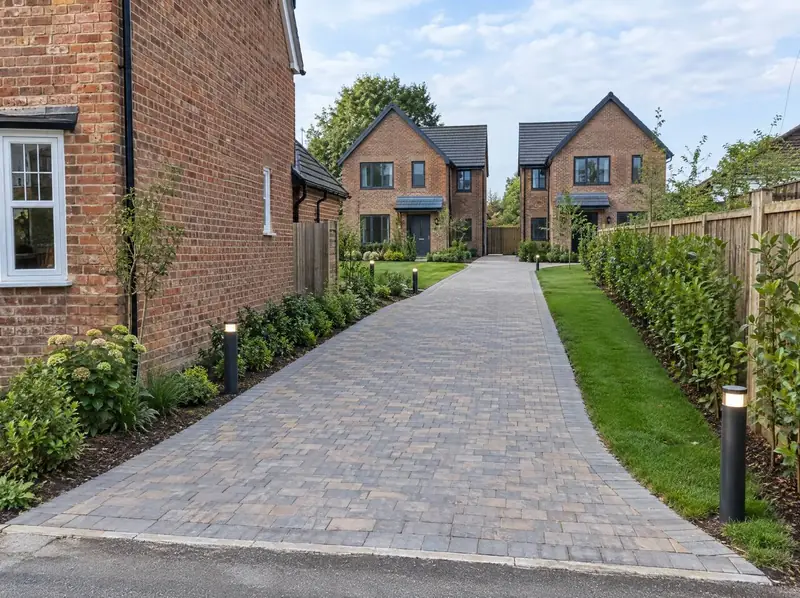
New block-paved private drive leading past an older house to two new homes at the back of the plot

If you sell or partner on the plot

  1. Free garden plot appraisal

    Tell us your address and roughly how big the garden is. We do a desktop check of size, access, title and the planning picture, talk it through with you and, if it looks viable, arrange a site visit. No cost, no obligation.

  2. Choose the route that suits you

    We explain the realistic options for your plot, such as an outright sale, a sale subject to planning, an option, planning promotion, a joint venture or combining gardens with neighbours, and the trade-offs of each in plain terms.

  3. Agree heads of terms in writing

    The price or price formula, who pays which costs, any caps on legal fees or planning costs, timescales and what happens if planning is refused are all written down before solicitors start drafting.

  4. Your solicitor checks the contract

    You instruct your own solicitor to review the contract or agreement. On option and promotion agreements we cover your reasonable legal fees, with the cap set in the heads of terms. Nothing is signed until you’re comfortable.

  5. Planning, where the route needs it

    For conditional, option and promotion routes, we prepare the surveys, drawings and statements and submit the application. We keep you informed throughout. The decision rests with the council, and if planning is refused on a conditional sale, you keep your land.

  6. Transfer of part and completion

    On completion the plot is transferred to its new owner as a transfer of part at HM Land Registry and gets its own title. If your house is mortgaged, your lender releases the plot from its charge. Any purchase is subject to survey, title and contract.

What a finished backland plot can look like

Two homes at the end of long gardens, reached by one shared drive between the houses at the front. The houses on the street keep their own gardens and parking.

Computer-generated footage showing the kind of scheme we look at — not a completed project.

If we design and build for you

  1. Free garden plot appraisal

    We look at your plot from a desk first, covering access, size, title, trees, drainage and the planning picture, then talk to you about what you want: a home to sell, to let, or for family. A site visit follows if it looks viable.

  2. Survey and feasibility

    A measured survey and constraints check show what could realistically fit. We test layouts against the council’s guidance on privacy, daylight, access, parking and bins, and may seek pre-application advice before you spend on a full application.

  3. Design and planning application

    We develop the design with you, commission any reports the council needs, such as trees, ecology or drainage, and submit the planning application. We manage the process with the council, but the decision is always theirs.

  4. Building Regulations and written quote

    Once planning is granted, we prepare the technical design for building control and give you a written quote based on the design and survey. Any guide price range offered earlier is a guide only; this quote is the one that counts.

  5. Build with you living next door

    We agree working hours, deliveries, site boundaries and access with you before starting, and arrange the structural warranty, or other cover a lender will accept, and the utility connections. You’re kept updated as each stage of the build is inspected and signed off.

  6. Handover

    When the home is finished, we walk round it with you, agree a snagging list and hand over the completion certificate, warranty documents and manuals. You then keep it, let it, sell it or move family in, as you planned.

Which route is right for my garden?

The right route depends on what you want from the land and how much involvement you’d like. If you want money for the plot and as little involvement as possible, a sale, either now or subject to planning, is usually simplest. If you want to share in more of the value and are happy to wait, an option, promotion or joint venture may suit.

If you’d rather keep the land and end up with a new home, the design and build route is the one to look at. If you aren’t sure at first, that’s exactly what the free appraisal is for.

How long does the whole process take?

It varies a great deal, so we don’t promise timescales. A straightforward sale of a plot that already has planning can move at the pace of the solicitors and your mortgage lender. Routes that need planning usually take many months, because of surveys, design work, the council’s decision period and any amendments.

Design and build takes longer again, typically well over a year from first conversation to handover. What drives the timetable most is the plot itself: access, trees, drainage, title issues and how the council views garden development.

What do I need to have ready?

Very little to begin with. Your address and a rough idea of the garden’s size and how a vehicle could reach it is enough for us to start a desktop check. Photos help but aren’t essential.

Later on it helps to have your title documents, details of your mortgage lender and any past planning history for the property. Your solicitor will collect most of this, and we’ll tell you exactly what’s needed at each stage.

What if the council says no?

Planning is the council’s decision, and some garden schemes are refused. If you’ve agreed a sale subject to planning and permission is refused, the contract doesn’t complete and you keep your land.

After a refusal we’ll look at the council’s reasons with you and say honestly whether a revised application or an appeal is worth pursuing, or whether it’s time to stop. Whatever happens, nothing changes about your house.

Is anything different in Wales?

The steps are the same, but some of the rules differ. In Wales the council judges applications against Planning Policy Wales, Technical Advice Note 12 on design and its Local Development Plan. Every new home needs sprinklers, and most new developments need approval from the council’s SuDS Approval Body before building starts.

Buyers in Wales pay Land Transaction Tax rather than Stamp Duty Land Tax, and the biodiversity rules work differently. We work to the Welsh rules on every Welsh plot.
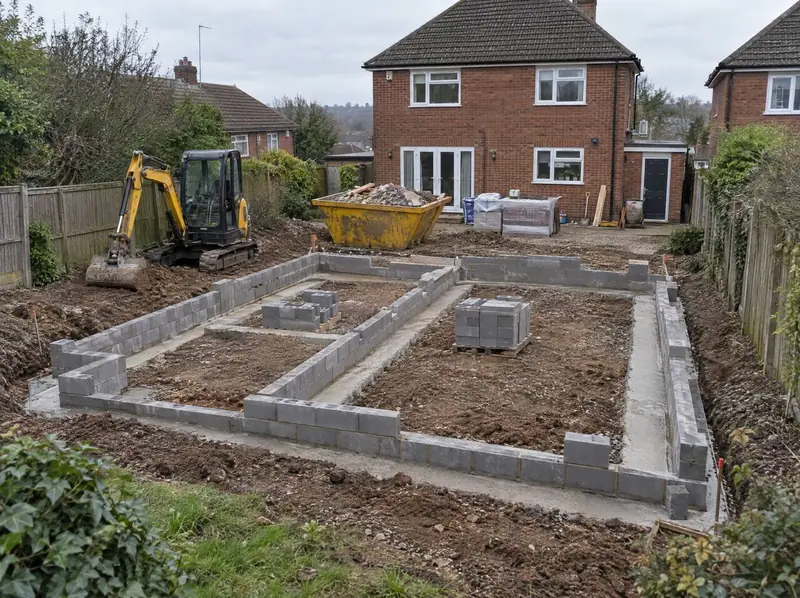
Foundations and first blockwork of a new house in a back garden, with a digger and the existing house behind

Find out what your garden could become

Free garden plot appraisal. No cost, no obligation, and a straight answer if it won’t work.