
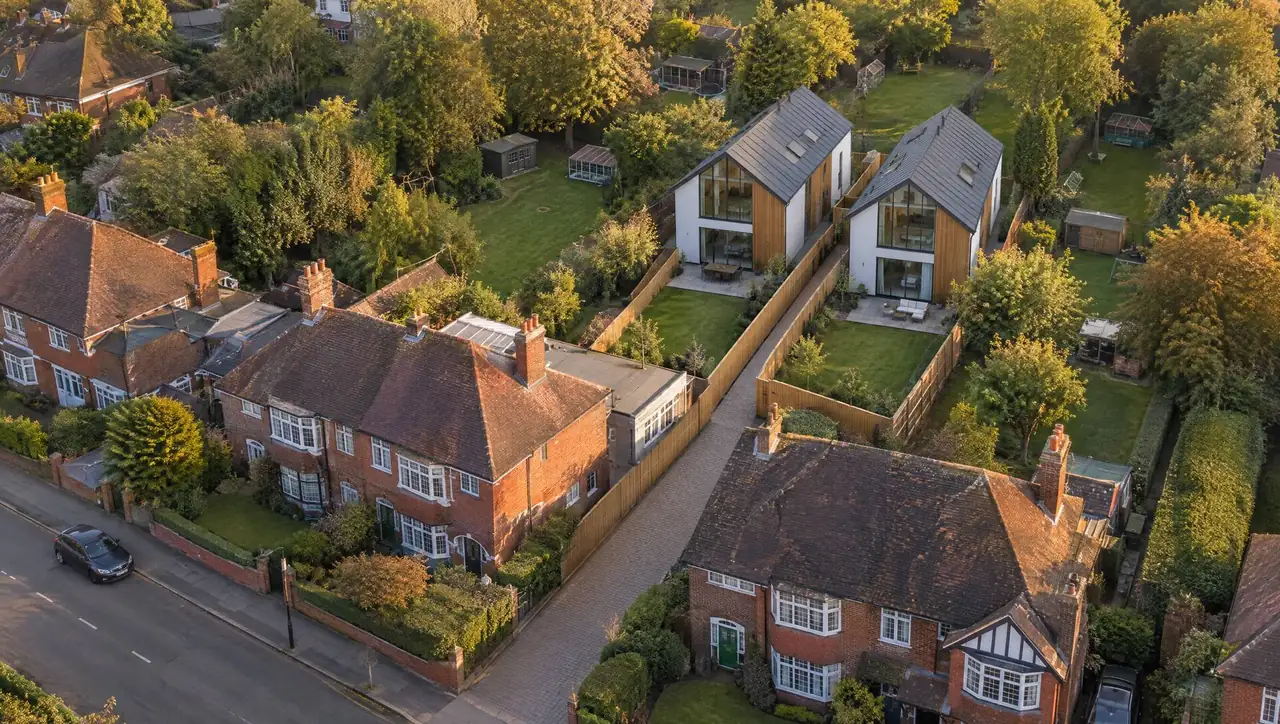
Turn your long garden into new homes
Sell or partner on the land behind your house, or keep it and have us build a new home there. Start with a free, no-obligation garden plot appraisal.
- Free garden plot appraisal, no obligation
- Reasonable legal fees covered on options and promotion
- Nothing to pay upfront on planning promotion
- We buy suitable plots, with or without planning
- Covering England and Wales
What can you do with a large garden?
There are two broad routes, and both let you keep your house. You either sell or partner on the plot, or keep the land and have a new home built on it.
Keep your house, sell or partner on the plot
Sell your garden plot to us directly, with or without planning, or agree a sale that only goes ahead if planning is granted. Options, planning promotion, joint ventures and combining gardens with neighbours are also on the table. Any purchase is subject to survey, title and contract.
- Sell part of your garden
- Sell subject to planning
- Garden plot option agreement
- Planning promotion for your garden plot
- Joint venture on your garden plot
- Combine gardens with your neighbours
Keep the land, we design and build
Keep the land and we’ll design a new home for it, apply for planning and build it, whether it’s to sell, to let or for family. You get a written quote after design and survey, so you know where you stand before building starts.
- Build a new home in your garden
- Planning permission for a garden plot
- Build a home for family in your garden
- Plot feasibility and design
What kind of land do you have?
Long back gardens are the classic backland plot, but they’re not the only kind. Wide side gardens, corner plots, garage courts, old yards, land with tricky access and bungalows on big plots can all be worth a look.
Large rear gardens
Long back gardens with room for a home behind: what councils look for, layouts that fit, and both ways to go ahead.
Learn more about large rear gardensCorner and side plots
Wide side gardens and corner plots that could take a home facing the street, with both ways to go ahead explained.
Learn more about corner and side plotsGarage courts and yards
Garage blocks, lock-ups and old yards behind houses: the rights, checks and access issues, and both routes forward.
Learn more about garage courts and yardsTandem and landlocked plots
Land behind with a narrow, shared or missing way in: tandem layouts, rights of way, ransom strips and buying an access.
Learn more about tandem and landlocked plotsBungalows on large plots
Keep your bungalow and add a home behind or beside it, or replace it with more homes: what councils check and your options.
Learn more about bungalows on large plotsNot sure? Measure it
Put your garden’s length, width and access into the Garden Plot Checker and see a to-scale sketch.
Open the checkerWhat makes a garden plot work?
A way in
A safe access wide enough for cars and, ideally, a fire engine, with good visibility at the road and without unfair disturbance to neighbours.
Enough space
Room for a new home that keeps a fair distance from windows around it and leaves both houses a usable garden.
A fit with the area
A scheme that respects the pattern, scale and character of the streets around it rather than looking squeezed in.
A clean title
No covenant, ransom strip or rights issue that can’t be solved, and a mortgage lender willing to release the plot.
Trees and wildlife
Protected trees and habitats that a layout can work around, with roots protected and wildlife needs planned for from the start.
Services and drainage
Reachable water, sewers and power, and a sensible way to handle rainwater, with any public sewers in the garden identified early.
How does it work?
Free garden plot appraisal
Tell us your address and roughly how big the garden is. We do a desktop check of size, access, title and the planning picture, talk it through with you and, if it looks viable, arrange a site visit. No cost, no obligation.
Choose the route that suits you
We explain the realistic options for your plot, such as an outright sale, a sale subject to planning, an option, planning promotion, a joint venture or combining gardens with neighbours, and the trade-offs of each in plain terms.
Agree heads of terms in writing
The price or price formula, who pays which costs, any caps on legal fees or planning costs, timescales and what happens if planning is refused are all written down before solicitors start drafting.
Your solicitor checks the contract
You instruct your own solicitor to review the contract or agreement. On option and promotion agreements we cover your reasonable legal fees, with the cap set in the heads of terms. Nothing is signed until you’re comfortable.
Could your garden take a new home?
Answer a few quick questions about your garden’s size, access and surroundings for a rough first view. It isn’t a planning decision or a valuation, but it shows what we’d look at first.
Open the Garden Plot Checker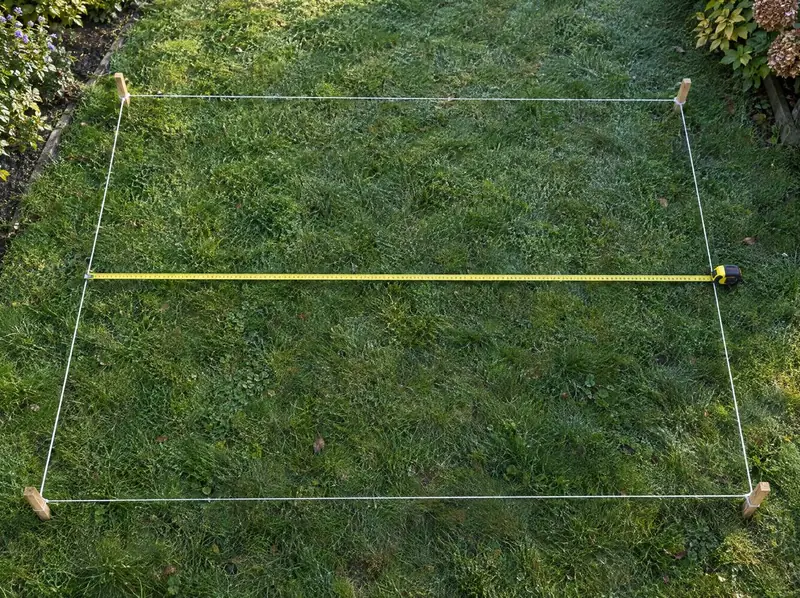
What should you know before you start?
- We’re a new brand within the S&K Group, so we don’t have a track record to show you.
- Planning permission is always the council’s decision, and some garden schemes are refused.
- What your plot is worth depends on location, size, access and planning; we won’t guess before an appraisal.
- Timescales vary from plot to plot, and many months is normal where planning is needed.
- You should always have your own solicitor, and a tax adviser if tax could be affected.
No reviews yet — and we won’t invent any
Backland Development is a new brand within the S&K Group. Real reviews will appear here once homeowners have worked with us.
Guides worth reading first
- What is backland development?
- Can I build a house in my garden?
- How to sell part of your garden for development
- How councils decide backland planning applications
Questions worth asking before you start
Will selling part of my garden affect the value of my house?
It can, and it can go either way. A smaller garden, a new neighbour behind you and a shared drive may reduce what some buyers will pay for your house, while others won’t mind. Against that, you receive money for the plot. The effect depends on your street, how much garden you keep and how well the new home is designed. Before you commit, ask a local estate agent or a RICS surveyor to give you an independent view of your house with and without the plot.
Do I need my neighbours’ permission to sell or build on my garden?
Not for the planning application itself. The council tells neighbours about it and they can comment, but the decision is the council’s. Their agreement does matter in some cases: if the access or services would cross their land, if a restrictive covenant on your title benefits them, or if the work falls under the Party Wall etc. Act 1996. We check for all of these early, and we always suggest talking to neighbours before an application goes in.
Do I have to move out of my house?
No. Every route we offer is built around you keeping your house. You can sell us part of your garden, agree a sale that only goes ahead if planning is granted, give us an option, partner with us, or keep the land and have us build a new home on it for you. The only thing that changes is the land behind or beside your home, and how it changes is agreed in writing before anything happens.
Can I stay living in my house while the new home is built?
Usually, yes. Most owners can stay put, but it’s fair to expect some disruption: deliveries, trades’ vans, noise during working hours and dust at certain stages. Where building traffic shares your drive, the council often requires a construction management plan setting out working hours, deliveries and parking. We agree access, hours and site boundaries with you before work starts so you know what each phase will involve.
How long does it take to build a house in a back garden?
From first conversation to moving in, it usually takes well over a year, and often longer. Survey and design typically take a few months. Councils normally aim to decide a planning application within eight weeks of validating it, but surveys, amendments and pre-commencement conditions can add time. The build itself depends on the design, ground conditions, utility connections and the weather. We give you a programme with each stage once the design is settled.
Do I need planning permission to build a house in my garden?
Yes. A new, separate home always needs planning permission. It isn’t permitted development, however big your garden is. You can apply for full permission with detailed drawings, or for outline permission first and the details, known as reserved matters, later. In England, permission in principle is another route for small schemes. An annexe used as part of your existing house is a different thing, but it can’t be sold, let or lived in as a separate home without the right permission.
What happens if planning is refused?
If you’ve agreed a sale subject to planning and permission is refused, the contract doesn’t complete and you keep your land. After any refusal there are usually three choices: change the design to deal with the council’s reasons and apply again, appeal, or stop. Appeals go to the Planning Inspectorate in England and to Planning and Environment Decisions Wales in Wales, with strict deadlines. We’ll tell you honestly which option we think is worth pursuing.
Areas we cover
England
- Bedfordshire
- Berkshire
- Buckinghamshire
- Cambridgeshire
- Cheshire
- Bristol
- Cornwall
- County Durham
- Cumbria
- Derbyshire
- Devon
- Dorset
- East Riding of Yorkshire
- East Sussex
- Essex
- Gloucestershire
- Greater London
- Greater Manchester
- Hampshire
- Herefordshire
- Hertfordshire
- Isle of Wight
- Kent
- Lancashire
- Leicestershire
- Lincolnshire
- Merseyside
- Norfolk
- North Yorkshire
- Northamptonshire
- Northumberland
- Nottinghamshire
- Oxfordshire
- Rutland
- Shropshire
- Somerset
- South Yorkshire
- Staffordshire
- Suffolk
- Surrey
- Tyne and Wear
- Warwickshire
- West Midlands
- West Sussex
- West Yorkshire
- Wiltshire
- Worcestershire