
- Nation
- England
- National planning policy
- NPPF
- Planning authorities
- 3
- City
- Carlisle
Cumbria: the planning picture
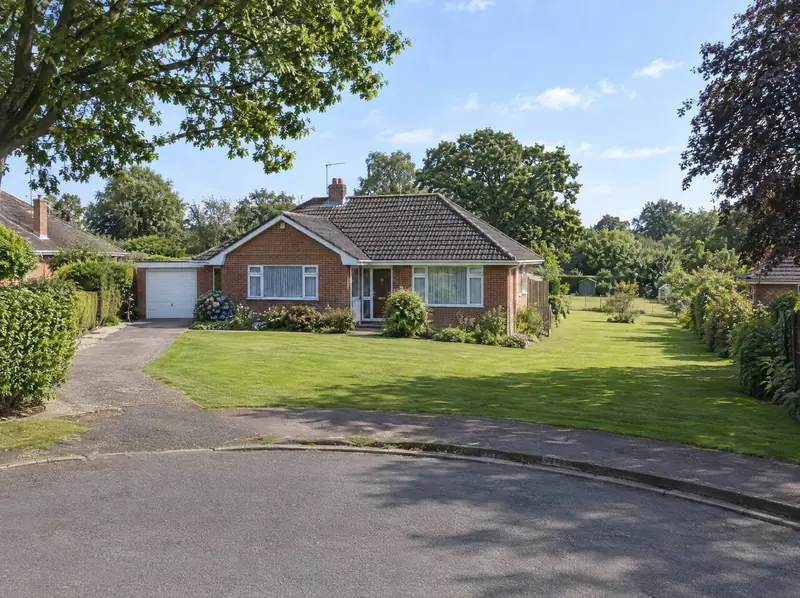
A wide bungalow plot in Cumbria sometimes allows a new home beside the bungalow, facing the street. That is usually infill rather than backland, and councils often find it easier to accept because the new home sits in line with its neighbours. The gaps between buildings still matter, though, especially where they are part of the character of the road. We look at spacing, the building line and roof heights along your street as part of the appraisal.
Planning authorities covering Cumbria include Cumberland Council, Westmorland and Furness Council, Lake District National Park Authority.
How it works
Free plot appraisal
We look at the plot’s width and depth, the access, the planning history nearby and the character of the street, then talk through what you want. It’s free, with no obligation, and a site visit follows if it looks viable.
Compare the options
We sketch what could realistically fit: a home behind, a home beside, or a replacement scheme. You see the trade-offs for each, including what happens to your own garden and parking, before choosing a route.
Choose your route
You can sell a plot and stay put, sell subject to planning, grant an option, enter a joint venture, or keep the land and have us design, get planning for and build a new home on it.
Planning application
We prepare drawings and reports designed around single-storey neighbours and the street scene, usually seek pre-application advice, and submit. The council consults neighbours and makes the decision.
Sale or build
If you sell, your solicitor handles the transfer and any lender release. If we build, you receive a written quote after design and survey, and the new home is built and handed over to you.
Bungalows on large plots in towns across Cumbria
- Carlisle
- Barrow-in-Furness
- Kendal
- Whitehaven
- Workington
- Penrith
- Ulverston
- Maryport
- Cockermouth
- Dalton-in-Furness
- Windermere
- Cleator Moor
Questions about bungalows on large plots in Cumbria
Do councils in Cumbria resist building next to bungalows?
They look carefully at height, overlooking and the character of the street. Two-storey homes among bungalows are often resisted, but single-storey or chalet designs that respect neighbours have a better chance. Each council has its own guidance.
What routes do you offer for bungalow plots in Cumbria?
You can sell part of the plot, sell subject to planning, grant an option, enter a joint venture or combine with neighbours. Or you keep the land and we design, get planning for and build a new home on it.
Are bungalow plots in Cumbria good for development?
Some can be, because bungalows often sit on wider and deeper plots than houses. Whether yours works depends on width, depth, access, the street and neighbours. The council makes the planning decision, and a free appraisal is the way to find out.
How long does planning take for a garden plot in Cumbria?
The council usually has eight weeks from validation to decide a small application, though extensions are often agreed, and the whole process takes longer. Surveys, design work, pre-application advice and amendments all add time, and some ecology surveys can only be done at certain times of year. We’ll give you a realistic timetable for your plot rather than a promise.