
- Planning authority
- Gravesham Borough Council
- Postcodes
- DA10, DA11, DA12
- Noon sun, 21 March
- About 39°
- Shadow from a 5 m eaves line
- About 6.3 m
- Planning plan
- Local Plan
- County
- Kent
What the council will look at in Gravesend
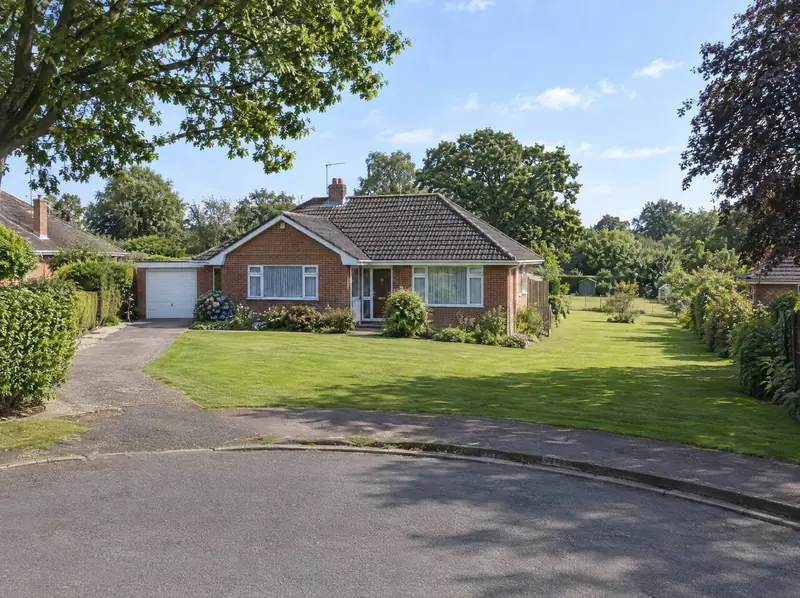
A bungalow plot in Gravesend can work well as a home for family, a smaller home for yourself, or a sale to fund a move elsewhere, perhaps towards Swanscombe, Grays and Longfield or further afield. Each of those suits a different route, and the right one depends on how involved you want to be.
Whatever you choose, Gravesham Borough Council will judge the scheme on its effect on neighbours and the street rather than on who it is for. The design has to stand on its own against the council’s Local Plan, which is why we test it properly before any application goes in.
The next steps, locally
Once you’ve chosen a route, we prepare the planning case for Gravesham Borough Council, usually starting with pre-application advice. Neighbours are consulted when the application goes in, we answer any queries from the planning officer, and the council decides. If you’re selling, your solicitor handles the transfer; if we’re building, you receive a written quote after design and survey, before any construction is agreed.
Free plot appraisal
We look at the plot’s width and depth, the access, the planning history nearby and the character of the street, then talk through what you want. It’s free, with no obligation, and a site visit follows if it looks viable.
Compare the options
We sketch what could realistically fit: a home behind, a home beside, or a replacement scheme. You see the trade-offs for each, including what happens to your own garden and parking, before choosing a route.
Planning application
We prepare drawings and reports designed around single-storey neighbours and the street scene, usually seek pre-application advice, and submit. The council consults neighbours and makes the decision.
Sale or build
If you sell, your solicitor handles the transfer and any lender release. If we build, you receive a written quote after design and survey, and the new home is built and handed over to you.
Worth checking early
- You’ll keep a smaller garden, and a drive alongside your bungalow brings cars past your windows.
- A two-storey home on a road of bungalows is often resisted, so designs may need to stay low.
- Replacing the bungalow means moving out during demolition and building, which suits some owners and not others.
Your questions, answered for Gravesend
Will Gravesham Borough Council allow a two-storey house next to bungalows in Gravesend?
It depends on the street and the design. Councils are often cautious about two-storey homes among single-storey neighbours because of overlooking and the change to the street. Chalet designs with rooms in the roof are a common compromise, but the council decides.
Will neighbours in Gravesend be able to object to a new home next to my bungalow?
They can comment on the planning application, and Gravesham Borough Council takes their views into account. They don’t have a veto. Designs that avoid overlooking and shadow usually draw fewer and weaker objections.
Could I build a home for a relative on my bungalow plot in Gravesend?
Yes, through our design and build route. You keep the land, and we design, get planning for and build the new home. A separate home needs planning permission; an annexe used as part of the main house is treated differently.
Can I build a second home on my bungalow plot in Gravesend?
Possibly, if the plot is wide or deep enough and has a workable way in. The new home needs planning permission from Gravesham Borough Council, which will look at the street scene, neighbours’ privacy and light, garden space and parking. A free appraisal tells you what is realistic.
Other options in Gravesend
- Planning permission for a garden plot
- Plot feasibility and design
- Build a home for family in your garden
- Joint venture on your garden plot
- Tandem and landlocked plots
- Sell subject to planning