
- Planning authority
- Mole Valley District Council
- Postcodes
- RH4
- Noon sun, 21 March
- About 39°
- Shadow from a 5 m eaves line
- About 6.2 m
- Planning plan
- Local Plan
- County
- Surrey
What shapes a plot in Dorking
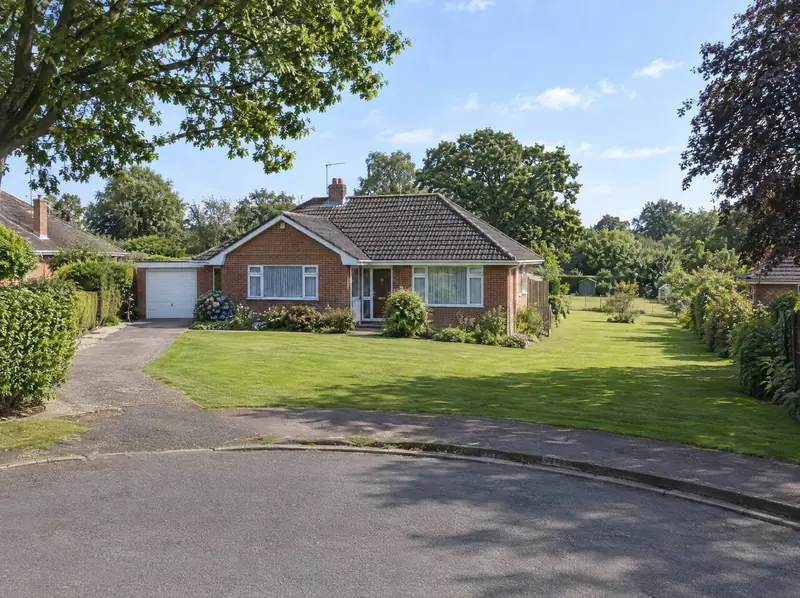
When Mole Valley District Council looks at a new home next to a bungalow, the first concern is usually height. A two-storey building among single-storey neighbours can overlook gardens and change the look of the road, so many schemes stay low or use rooms in the roof.
Light matters too. Under the 39° midday sun that Dorking sees on 21 March, an eaves line about 5 metres up throws a shadow close to 6.2 m long, while a bungalow’s lower eaves throw much less. Next door to a bungalow, that difference shows clearly in the garden.
From first call to decision
Our first visit to a bungalow plot in Dorking focuses on four things: the width and depth of the land, the way in, the neighbouring homes and the look of the street. From that we can say which options are worth pursuing, which aren’t, and roughly how long each would usually take, given the surveys and reports the plot is likely to need.
Free plot appraisal
We look at the plot’s width and depth, the access, the planning history nearby and the character of the street, then talk through what you want. It’s free, with no obligation, and a site visit follows if it looks viable.
Compare the options
We sketch what could realistically fit: a home behind, a home beside, or a replacement scheme. You see the trade-offs for each, including what happens to your own garden and parking, before choosing a route.
Planning application
We prepare drawings and reports designed around single-storey neighbours and the street scene, usually seek pre-application advice, and submit. The council consults neighbours and makes the decision.
Sale or build
If you sell, your solicitor handles the transfer and any lender release. If we build, you receive a written quote after design and survey, and the new home is built and handed over to you.
Worth checking early
- The order in which you sell the plot and the bungalow can affect your tax, so take advice first.
- Covenants on older estates can limit building, and resolving one takes time and may cost money.
- You’ll keep a smaller garden, and a drive alongside your bungalow brings cars past your windows.
Your questions, answered for Dorking
How long does planning for a bungalow plot in Dorking usually take?
It varies. Surveys and design often take a few weeks to a few months, then the council needs time to decide. Pre-application advice, extra reports or design changes can add time. We give you a realistic idea after the appraisal.
Will neighbours in Dorking be able to object to a new home next to my bungalow?
They can comment on the planning application, and Mole Valley District Council takes their views into account. They don’t have a veto. Designs that avoid overlooking and shadow usually draw fewer and weaker objections.
How much garden does a bungalow in Dorking need to keep?
There’s no single figure. Councils look for enough private garden for both the existing home and the new one, and many have guidance on minimum garden sizes. We check your council’s guidance during the appraisal.
Can I sell part of my bungalow garden in Dorking and stay living there?
Yes. You keep the bungalow and sell the land behind or beside it, with or without planning, subject to survey, title and contract. If the bungalow is mortgaged, the lender must agree to release the plot. Take tax advice before you sell.
Other options in Dorking
- Tandem and landlocked plots
- Garage courts and yards
- Sell part of your garden
- Build a home for family in your garden
- Planning permission for a garden plot
- Joint venture on your garden plot