
- Nation
- England
- National planning policy
- NPPF
- Planning authorities
- 10
- City
- Exeter
Devon: the planning picture
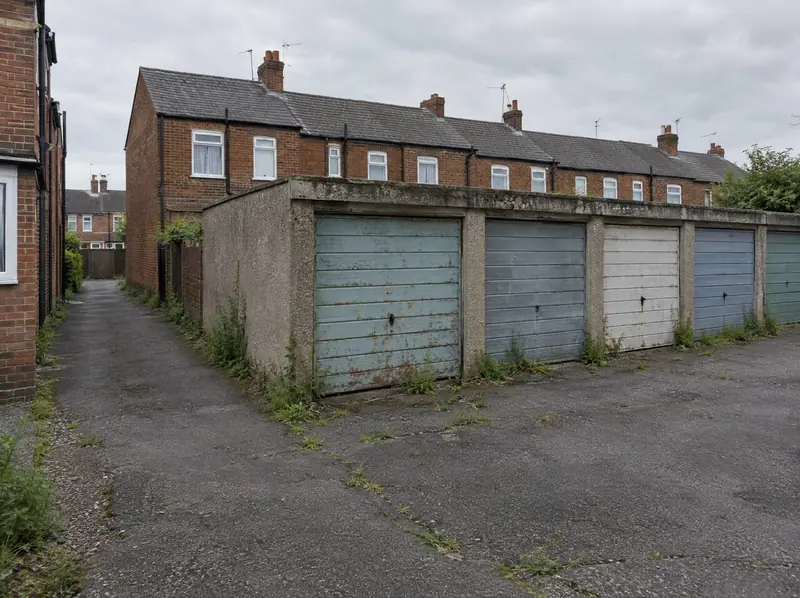
Ground conditions on old yards in Devon need checking before any design is settled. Fuel storage, vehicle repairs or burning on site can leave contamination, and many councils ask for an assessment with the application or as a condition. Older garage roofs often contain asbestos cement, which has to be surveyed and removed safely before demolition. New homes also need a drainage plan the council will want to see. These are known costs, and finding them early keeps the scheme realistic.
Planning authorities covering Devon include East Devon District Council, Exeter City Council, Mid Devon District Council, North Devon Council, Plymouth City Council, South Hams District Council, Teignbridge District Council, Torbay Council, Torridge District Council, West Devon Borough Council.
How it works
Free site appraisal
We look at the site on maps, the title plan and the planning history, then talk through who uses it now. If it looks workable we visit. There’s no cost and no obligation.
Rights and title review
We map who has rights over the court and lane, which garages are let and on what terms, and whether any covenants, charges or strips of land you don’t own could block a scheme.
Site checks and layout
We look at the access lane, the buildings, likely asbestos and contamination, drains and neighbours’ windows, then sketch what could realistically fit, from one home to a small group, or nothing at all.
Choose your route
Sell the site outright or subject to planning, grant an option, or keep it and have us design, get planning for and build. Garage tenancies and licences are ended properly before any work starts.
Planning, then sale or build
We prepare and submit the application and the council decides. If you sell, your solicitor handles the transfer. If you build, a written quote follows design and survey, then demolition and construction.
Garage courts and yards in towns across Devon
- Plymouth
- Exeter
- Paignton
- Torquay
- Newton Abbot
- Exmouth
- Barnstaple
- Bideford
- Tiverton
- Brixham
- Teignmouth
- Tavistock
Questions about garage courts and yards in Devon
Do fire and drainage rules limit garage sites in Devon?
They can. The lane and layout have to provide for fire engine access (or other measures, often sprinklers, agreed with building control and the fire service where a fire engine can’t get close enough), and for drainage you’ll need a drainage plan the council will want to see. On a tight court those two requirements can decide how many homes fit, so we check them before fixing any layout.
Which councils decide garage site applications in Devon?
Whichever planning authority covers the site makes the decision; for Devon those include East Devon District Council, Exeter City Council, Mid Devon District Council, North Devon Council, Plymouth City Council and other councils. Plans, parking standards and design guidance vary between them, so we confirm which policies govern your particular site before any layout is drawn.
Could I keep my garage site in Devon and have homes built on it?
Yes. Keeping the site and having us design the homes, seek planning and build them is one route. The other is to sell: outright, subject to planning, or through an option. A free appraisal of the site comes first, and we explain how each route would work for you.
Which national rules apply to a new home in Devon?
Garden schemes here sit under the National Planning Policy Framework (NPPF), with the local detail coming from the council’s Local Plan. New homes must also meet the Building Regulations. That affects things such as fire engine access (or other measures, often sprinklers, agreed with building control and the fire service where a fire engine can’t get close enough). On drainage you’ll usually need a drainage plan the council will want to see, and land purchases fall under Stamp Duty Land Tax (SDLT). We check which rules apply to your plot as part of the free appraisal.