
- Nation
- Wales
- National planning policy
- Planning Policy Wales
- Planning authorities
- 4
- County town
- Carmarthen
Dyfed: the planning picture
Drainage and wildlife often shape garden plots in Dyfed more than owners expect. A new home needs somewhere for rainwater and foul water to go, and you will need approval from the SuDS Approval Body (SAB) before building starts. Mature gardens can matter for wildlife, so expect the Welsh requirement to deliver a net benefit for biodiversity to come into the design, along with tree surveys where large trees stand near the proposed home or drive. Public sewers crossing the garden may need a build-over agreement with the water company. None of this is a reason to give up, but it is a reason to survey before designing.
Planning authorities covering Dyfed include Carmarthenshire County Council, Ceredigion County Council, Pembrokeshire County Council, Pembrokeshire Coast National Park Authority.
How it works
Free plot appraisal
We look at your garden using maps, the title plan and the planning history around you, then talk it through with you. If it looks workable we arrange a site visit. There’s no cost and no obligation.
Measure and test the layout
We check depth, the width of the way in, levels, trees, drains and what lies behind, then sketch what could realistically fit: one home, two, or nothing worth pursuing, before anyone pays for an application.
Choose your route
You decide whether to sell the plot outright, sell subject to planning, grant an option, team up with neighbours, or keep the land and have us design, get planning for and build a home on it.
Planning application
We prepare the drawings and reports, usually take pre-application advice, and submit. The council consults neighbours and decides. Small schemes often take a few months from submission, longer if surveys or amendments are needed.
Sale or build
If you sell, your solicitor handles the transfer of part and your lender’s release of the plot. If you build, we give a written quote after design and survey, then build and hand over the new home.
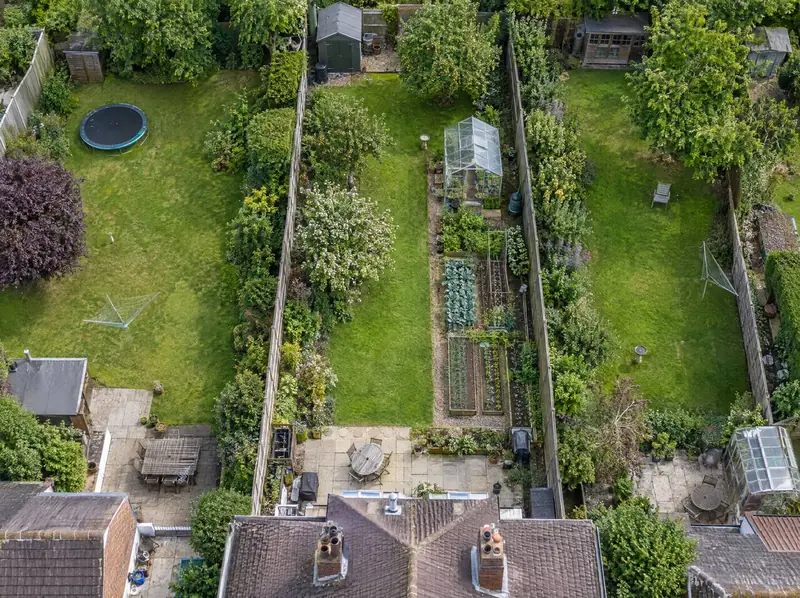
Large rear gardens in towns across Dyfed
- Llanelli
- Ammanford
- Aberystwyth
- Carmarthen
- Haverfordwest
- Milford Haven
- Pembroke Dock
- Burry Port
- Cardigan
- St Davids
Questions about large rear gardens in Dyfed
Which councils decide garden plot applications in Dyfed?
Applications go to the local planning authority for your address. Across Dyfed, the authorities include Carmarthenshire County Council, Ceredigion County Council, Pembrokeshire County Council and Pembrokeshire Coast National Park Authority. Each works to its own development plan and design guidance, so the tests for a rear garden home can differ from one council to the next. We check the right ones for your plot.
Do you look at large rear gardens in Dyfed?
Yes. We cover the whole of Dyfed, as part of our coverage across England and Wales. Send us your address and a few details about your garden, and we’ll carry out a free desktop appraisal before suggesting a site visit.
Can neighbours combine their gardens in Dyfed?
Yes. Several adjoining back gardens can be put together for one scheme with a shared access, which can give a better layout than separate plots. Each owner keeps their own house, and an agreement shares the value fairly even when only one garden provides the way in.
How long does planning take for a garden plot in Dyfed?
The council usually has eight weeks from validation to decide a small application, though extensions are often agreed, and the whole process takes longer. Surveys, design work, pre-application advice and amendments all add time, and some ecology surveys can only be done at certain times of year. We’ll give you a realistic timetable for your plot rather than a promise.