
- Nation
- England
- National planning policy
- NPPF
- Planning authorities
- 3
- City
- Bath
Getting it right in Somerset
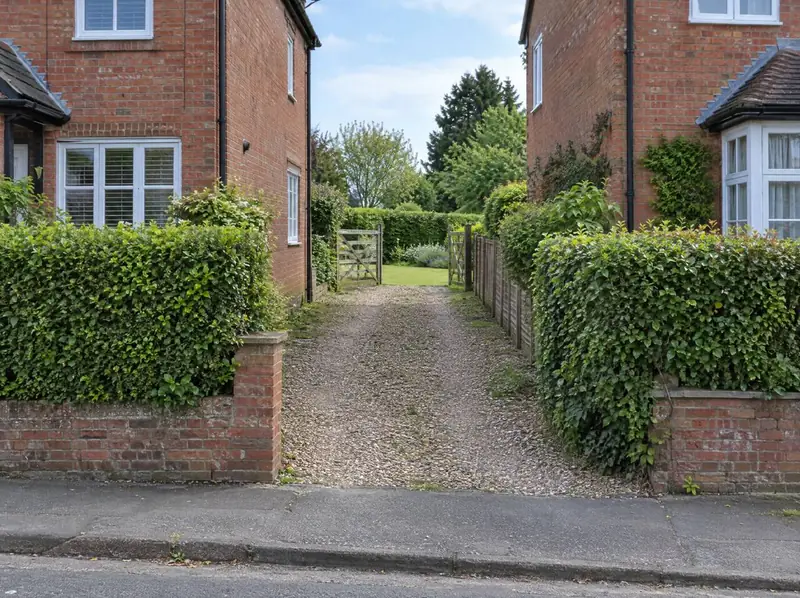
Councils across Somerset judge plots behind houses against the National Planning Policy Framework (NPPF) and their own Local Plan, and tandem layouts get particular attention. Officers look at the noise and lights of cars passing the front house, privacy between the two homes, garden space for each, and whether a home behind the street suits the area. A design that keeps the drive away from side windows, sets the new home well back and avoids overlooking upstairs windows answers most of those questions before they are asked.
Planning authorities covering Somerset include Bath and North East Somerset Council, North Somerset Council, Somerset Council.
How it works
Free plot appraisal
We start with the access, not the plot: title plans, rights of way, the width on the ground and the route to the road. It’s a desktop check and a conversation, with a site visit if it looks viable, at no cost.
Title and access check
With your solicitor we confirm who owns every strip between the plot and the road, what rights already exist and whether they cover a new home. Any ransom strip or missing right shows up at this stage.
Secure the way in
If a right of way needs widening, a strip needs buying or a neighbour needs to come in, we agree the approach with you and negotiate it, so the terms are settled before planning money is spent.
Planning application
We design a layout that answers the access, privacy and neighbour questions councils ask about tandem and backland plots, then apply. The council consults neighbours and decides, and the decision is always the council’s.
Sale or build
Depending on the route you chose, the sale completes through a transfer of part, or you keep the land and we give a written quote for building the new home after design and survey.
Tandem and landlocked plots in towns across Somerset
- Bath
- Weston-super-Mare
- Taunton
- Yeovil
- Bridgwater
- Portishead
- Frome
- Burnham-on-Sea
- Clevedon
- Nailsea
- Keynsham
- Wells
Questions about tandem and landlocked plots in Somerset
What is a ransom strip, and are they common in Somerset?
A ransom strip is land controlling access to a plot, whose owner can ask for payment before allowing anyone across. They can turn up anywhere, often as verges, strips kept back by developers, or parts of private lanes. We check for them at the appraisal stage.
Do councils in Somerset allow tandem development?
Each council decides case by case, using its own plan and design guidance. Tandem layouts are generally treated with care because of noise, headlights and privacy for the house in front. A well-designed scheme with a good gap from windows and a low-profile home has a better chance.
Will you approach my neighbours in Somerset about access?
If you want us to, yes. We agree the approach with you first, explain the proposal clearly to the neighbour, and never pressure anyone. Any deal is written down and both sides take their own legal advice.
Which national rules apply to a new home in Somerset?
Garden schemes here sit under the National Planning Policy Framework (NPPF), with the local detail coming from the council’s Local Plan. New homes must also meet the Building Regulations. That affects things such as fire engine access (or other measures, often sprinklers, agreed with building control and the fire service where a fire engine can’t get close enough). On drainage you’ll usually need a drainage plan the council will want to see, and land purchases fall under Stamp Duty Land Tax (SDLT). We check which rules apply to your plot as part of the free appraisal.