
- Planning authority
- West Suffolk Council
- Postcodes
- IP28
- Noon sun, 21 March
- About 38°
- Shadow from a 5 m eaves line
- About 6.5 m
- Planning plan
- Local Plan
- County
- Suffolk
The local picture in Mildenhall
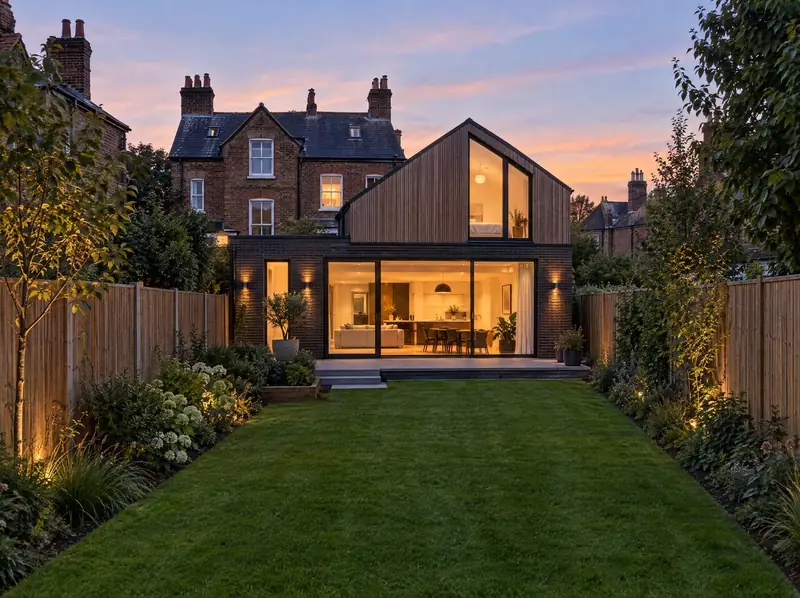
As the neighbour, you’ll live with the new home’s shadow. Picture the spring equinox in Mildenhall: at midday the sun climbs to about 38°, and a new home with 5 m eaves shades roughly 6.5 m of ground behind it. Near the winter solstice, with the sun at around 14°, that shade stretches much further.
In a joint venture you approve the layout before the application goes in, so we can show you where the shadow will fall on your garden at different times of year. Keeping the eaves low or setting the home further back can make a real difference.
From first call to decision
Before any agreement for a Mildenhall garden, we recommend three conversations: one with us about the scheme and structure, one with your own solicitor about security for your land and your exit rights, and one with a tax adviser about how the deal affects you. Then decide in your own time, with no obligation from the appraisal.
Free plot appraisal
We look at your title plan, access, neighbouring homes and the council’s planning policies, then talk through what might be built and whether a joint venture or a simpler sale suits you better.
Heads of terms
The key terms go in writing: who funds what, your share or the home you receive, how your land is protected, deadlines, open-book reporting and what happens if planning is refused or the build stalls.
Planning and build
We fund and manage the planning application, Building Regulations approval and construction, reporting costs and progress to you at agreed points. The council decides the application, and building control checks the work.
Sale or handover
The new homes are sold and the proceeds are split as agreed through the solicitors, or your new home is handed over with its warranty, title and certificates in place.
Worth checking early
- A joint venture takes longer than any sale: planning, then building, then selling or handover.
- You’ll live next to a building site, and the new home’s design affects your own house and garden.
- Your return isn’t fixed. It depends on build costs, sale prices and timing, unless you choose a structure with a fixed element.
Mildenhall: questions to ask
Can I take a new home back instead of cash in Mildenhall?
Yes, if the plot can support it. Under a homes-for-land joint venture, one of the finished homes on your plot, or the only one, is transferred to you with its own title and paperwork. The agreement fixes the specification and the timetable.
Can my neighbours join a joint venture in Mildenhall?
Yes. Combining adjoining gardens can give a better layout and one shared access. Each owner keeps their house, has their own solicitor and signs up to a collaboration agreement setting out how the result is shared, including fair treatment for the garden that provides the access.
Who decides planning for a joint venture plot in Mildenhall?
West Suffolk Council decides, using the council’s Local Plan and national policy in the NPPF. We prepare and fund the application and deal with the council’s questions, but no developer can promise the outcome. If planning is refused, you keep your land, and in the usual structure the planning costs stay with us.
Does my land stay in my name during a joint venture in Mildenhall?
It can. One option keeps the land in your name until an agreed stage, with us building under a licence. Another transfers it earlier with a legal charge in your favour. Your solicitor advises which suits you, bearing in mind that a lender funding the build will want security too.
Other options in Mildenhall
- Sell part of your garden
- Planning permission for a garden plot
- Garage courts and yards
- Garden plot option agreement
- Planning promotion for your garden plot
- Build a new home in your garden