
- Nation
- England
- National planning policy
- NPPF
- Planning authorities
- 1
- City
- Bristol
Bristol: the planning picture
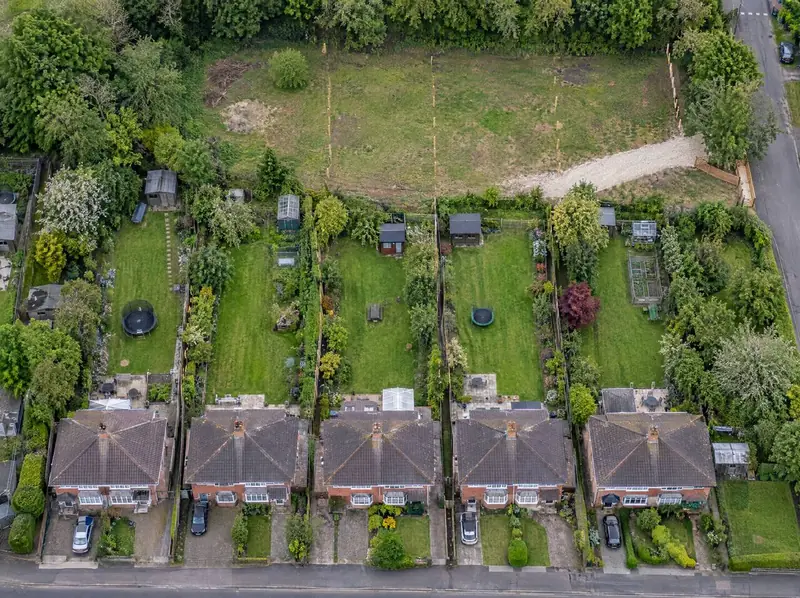
Some neighbours in Bristol already know which garden could provide the access, perhaps a wide side plot, a corner house or a garage that could come down. Others don’t. Either way, we start by mapping the possible routes in, the width each offers and the effect on the homes either side, because the access decides how many gardens can join and how the value will need to be shared between them.
Planning authorities covering Bristol include Bristol City Council.
How it works
Free appraisal of the combined land
We look at all the titles together, the possible access points, the surrounding homes and the planning policies that apply, then explain whether a combined scheme looks realistic and roughly what it might allow.
Meet the neighbours
We meet the owners together or separately, explain how the scheme and the routes work, and answer questions. We don’t approach your neighbours without your agreement, and nobody is committed at this stage.
Agree how value is shared
Heads of terms set out the route, each owner’s share, any extra for the garden providing the access, what happens if someone drops out, and the cap on each owner’s reasonable legal fees where it applies.
Collaboration agreement
Each owner’s own solicitor reviews the documents, and everyone signs a collaboration agreement alongside the sale, option or promotion agreement. Mortgage lenders are asked to consent early, and the agreements are usually protected on each title.
One planning application
We prepare and submit a single application for the whole site, with one shared access and a layout designed around all the existing homes. The council decides it, and nobody can promise the result.
Completion and shares paid
When the site is sold with planning, or bought by us as agreed, each owner transfers their part, and the proceeds are divided through the solicitors exactly as the collaboration agreement sets out.
Combine neighbours’ gardens in towns across Bristol
Questions about combine neighbours’ gardens in Bristol
Which councils decide combined garden schemes in Bristol?
The local planning authority for the address decides, and the authorities serving Bristol include Bristol City Council. Each applies the National Planning Policy Framework (NPPF) with its own Local Plan. A combined site goes in as one application to whichever council covers the land.
What legal checks apply to combined gardens in Bristol?
Every title is checked for mortgages, restrictive covenants and rights of way, and each lender must agree to release the land it holds as security. Each owner has their own solicitor, and the agreements are usually protected on each title.
Is a shared access road allowed on garden schemes in Bristol?
Shared access roads are common on backland schemes, but each council judges width, visibility and the effect on neighbours. The scheme must also allow for fire engine access (or other measures, often sprinklers, agreed with building control and the fire service where a fire engine can’t get close enough), and bins have to be collected within a sensible distance. We check access first at every appraisal.
Which national rules apply to a new home in Bristol?
Garden schemes here sit under the National Planning Policy Framework (NPPF), with the local detail coming from the council’s Local Plan. New homes must also meet the Building Regulations. That affects things such as fire engine access (or other measures, often sprinklers, agreed with building control and the fire service where a fire engine can’t get close enough). On drainage you’ll usually need a drainage plan the council will want to see, and land purchases fall under Stamp Duty Land Tax (SDLT). We check which rules apply to your plot as part of the free appraisal.