
- Nation
- England
- National planning policy
- NPPF
- Planning authorities
- 9
- City
- Lincoln
How councils in Lincolnshire look at it
Councils in Lincolnshire look closely at how a garden home would be reached, because the access affects the neighbours as much as the new occupants. A feasibility study measures the drive width, the sightlines where it meets the highway, the distance to the bin collection point and the route for emergency services, then tests that against the Building Regulations and the council’s highway advice. For a new home that includes fire engine access (or other measures, often sprinklers, agreed with building control and the fire service where a fire engine can’t get close enough). If the access doesn’t work, little else matters, which is why we check it first.
Planning authorities covering Lincolnshire include Boston Borough Council, City of Lincoln Council, East Lindsey District Council, North East Lincolnshire Council, North Kesteven District Council, North Lincolnshire Council, South Holland District Council, South Kesteven District Council, West Lindsey District Council.
How it works
Free plot appraisal
A desktop look at your plot, access, title plan and the planning picture, plus a conversation about what you want. If it looks viable we visit. There’s no cost and no obligation at this stage.
Scope and written quote
If you want to go further, we set out which surveys and checks your plot needs and what they will cost, in writing. Nothing is commissioned until you have agreed the scope and the price.
Survey and constraints check
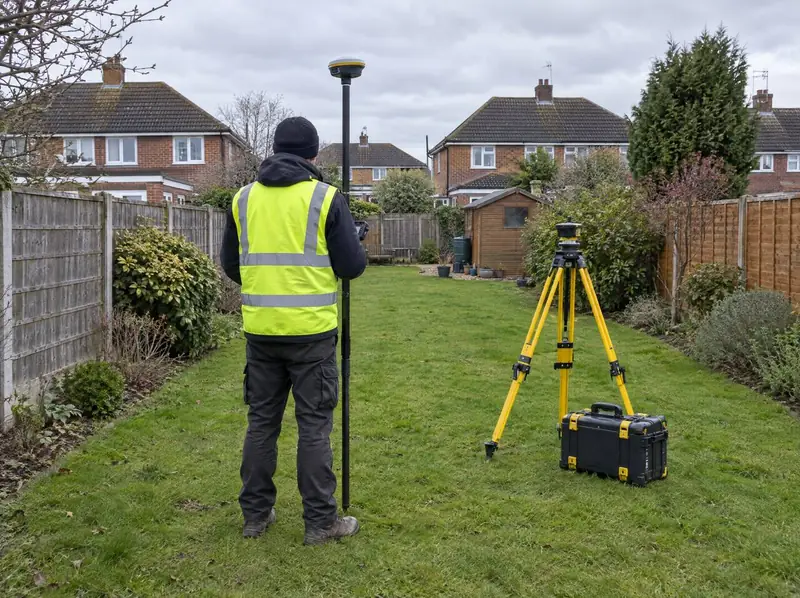
A measured survey of the plot and its surroundings, then a check of the title, services, trees, flood risk and heritage designations, so the design starts from facts rather than guesses.
Access and capacity study
We test each workable route in and the number, size and position of homes the plot could hold, against separation distances, garden space, parking, bins and daylight for neighbours.
Concept designs and pre-application
Sketch layouts and simple elevations for the strongest options. Where it will help, we take one to the council for pre-application advice before anything is submitted.
Feasibility report and options
A clear yes, no or maybe, the reasons behind it, and the routes open to you: apply for planning, build, sell or partner. You decide what happens next, with no obligation to use us for it.
Feasibility and design in towns across Lincolnshire
Questions about feasibility and design in Lincolnshire
Is pre-application advice available in Lincolnshire?
Most councils offer it, usually for a fee, and publish their arrangements online. It gives you a planning officer’s written view on the principle and design of a scheme before you apply. It isn’t binding, but on a finely balanced garden plot it often shows what the council will focus on.
How long does feasibility take for a plot in Lincolnshire?
Often a few weeks, sometimes a couple of months. It depends on surveyor availability, whether title documents or specialist surveys are needed, and how long the council takes to respond if you ask for pre-application advice. Some ecology surveys can only be done at certain times of year.
What happens after a feasibility study in Lincolnshire?
You choose. With a clear yes or a promising maybe, you might apply for planning, build a home on the plot, or sell or partner on it. With a no, you have the reasons and the evidence. Whichever way you go, the report, survey and concept designs remain yours to use.
How long does planning take for a garden plot in Lincolnshire?
The council usually has eight weeks from validation to decide a small application, though extensions are often agreed, and the whole process takes longer. Surveys, design work, pre-application advice and amendments all add time, and some ecology surveys can only be done at certain times of year. We’ll give you a realistic timetable for your plot rather than a promise.