
- Planning authority
- North Lincolnshire Council
- Postcodes
- DN15, DN16
- Noon sun, 21 March
- About 36°
- Shadow from a 5 m eaves line
- About 6.8 m
- Planning plan
- Local Plan
- County
- Lincolnshire
Scunthorpe: light, access and policy
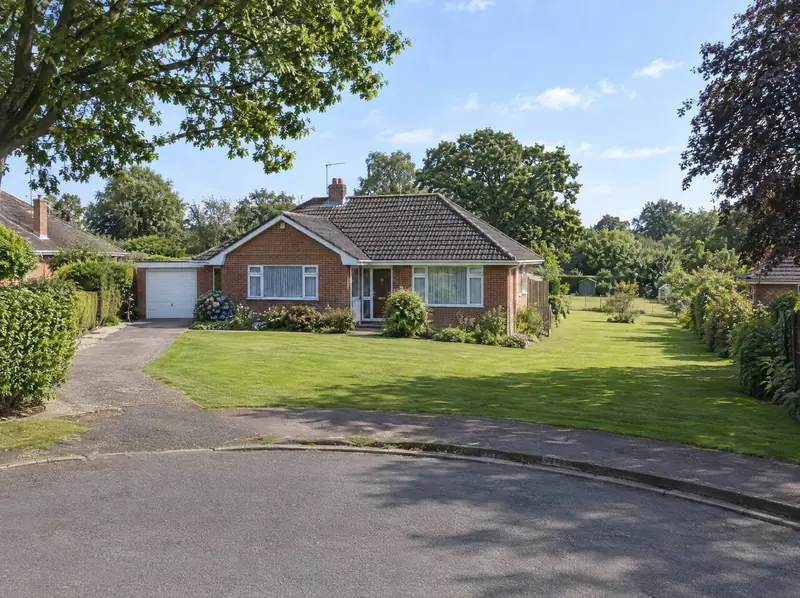
Replacing a bungalow in DN15 and DN16 with two or more homes needs planning permission for the new homes, and North Lincolnshire Council will look closely at the number of homes, their height, parking, bins and garden space for each household.
A replacement can sometimes fit better than squeezing a new home behind a bungalow that stays, because the whole plot can be laid out from scratch. Neighbours are consulted either way, and a design that respects single-storey homes next door usually meets fewer objections.
How we’d take it forward in Scunthorpe
Our first visit to a bungalow plot in Scunthorpe focuses on four things: the width and depth of the land, the way in, the neighbouring homes and the look of the street. From that we can say which options are worth pursuing, which aren’t, and roughly how long each would usually take, given the surveys and reports the plot is likely to need.
Free plot appraisal
We look at the plot’s width and depth, the access, the planning history nearby and the character of the street, then talk through what you want. It’s free, with no obligation, and a site visit follows if it looks viable.
Choose your route
You can sell a plot and stay put, sell subject to planning, grant an option, enter a joint venture, or keep the land and have us design, get planning for and build a new home on it.
Planning application
We prepare drawings and reports designed around single-storey neighbours and the street scene, usually seek pre-application advice, and submit. The council consults neighbours and makes the decision.
Sale or build
If you sell, your solicitor handles the transfer and any lender release. If we build, you receive a written quote after design and survey, and the new home is built and handed over to you.
Worth checking early
- Filling the gap beside a bungalow can change the look of the street, which councils weigh carefully.
- The order in which you sell the plot and the bungalow can affect your tax, so take advice first.
- Replacing the bungalow means moving out during demolition and building, which suits some owners and not others.
Scunthorpe: questions to ask
Can I build a second home on my bungalow plot in Scunthorpe?
Possibly, if the plot is wide or deep enough and has a workable way in. The new home needs planning permission from North Lincolnshire Council, which will look at the street scene, neighbours’ privacy and light, garden space and parking. A free appraisal tells you what is realistic.
Will North Lincolnshire Council allow a two-storey house next to bungalows in Scunthorpe?
It depends on the street and the design. Councils are often cautious about two-storey homes among single-storey neighbours because of overlooking and the change to the street. Chalet designs with rooms in the roof are a common compromise, but the council decides.
How long does planning for a bungalow plot in Scunthorpe usually take?
It varies. Surveys and design often take a few weeks to a few months, then the council needs time to decide. Pre-application advice, extra reports or design changes can add time. We give you a realistic idea after the appraisal.
How much garden does a bungalow in Scunthorpe need to keep?
There’s no single figure. Councils look for enough private garden for both the existing home and the new one, and many have guidance on minimum garden sizes. We check your council’s guidance during the appraisal.
Other options in Scunthorpe
- Planning permission for a garden plot
- Planning promotion for your garden plot
- Sell part of your garden
- Tandem and landlocked plots
- Combine gardens with your neighbours
- Build a new home in your garden