
- Nation
- England
- National planning policy
- NPPF
- Planning authorities
- 5
- City
- Leeds
What to know in West Yorkshire
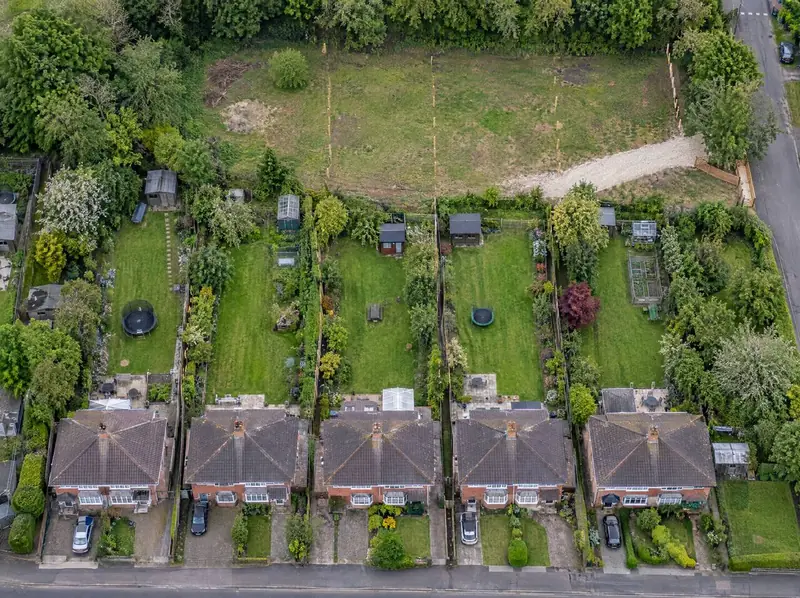
A combined site in West Yorkshire brings some extra checks that a single garden doesn’t. With more land and more homes, the scheme has to show how it meets biodiversity net gain rules, and drainage needs planning across the whole site, which in practice means a drainage plan the council will want to see. Trees along old garden boundaries are common, and any protected by a Tree Preservation Order need consent before work. These checks are easier to plan for once, across one site, than garden by garden.
Planning authorities covering West Yorkshire include Calderdale Metropolitan Borough Council, City of Bradford Metropolitan District Council, Kirklees Council, Leeds City Council, Wakefield Council.
How it works
Free appraisal of the combined land
We look at all the titles together, the possible access points, the surrounding homes and the planning policies that apply, then explain whether a combined scheme looks realistic and roughly what it might allow.
Meet the neighbours
We meet the owners together or separately, explain how the scheme and the routes work, and answer questions. We don’t approach your neighbours without your agreement, and nobody is committed at this stage.
Agree how value is shared
Heads of terms set out the route, each owner’s share, any extra for the garden providing the access, what happens if someone drops out, and the cap on each owner’s reasonable legal fees where it applies.
Collaboration agreement
Each owner’s own solicitor reviews the documents, and everyone signs a collaboration agreement alongside the sale, option or promotion agreement. Mortgage lenders are asked to consent early, and the agreements are usually protected on each title.
One planning application
We prepare and submit a single application for the whole site, with one shared access and a layout designed around all the existing homes. The council decides it, and nobody can promise the result.
Completion and shares paid
When the site is sold with planning, or bought by us as agreed, each owner transfers their part, and the proceeds are divided through the solicitors exactly as the collaboration agreement sets out.
Combine neighbours’ gardens in towns across West Yorkshire
- Leeds
- Bradford
- Huddersfield
- Wakefield
- Halifax
- Dewsbury
- Morley
- Keighley
- Castleford
- Pontefract
- Batley
- Yeadon
- Brighouse
- Shipley
- Cleckheaton
- Pudsey
- Ossett
- Guiseley
- Normanton
- Rothwell
- Liversedge
- Horsforth
- South Elmsall
- Mirfield
- Heckmondwike
- Bingley
- Kippax
- Baildon
- Elland
Questions about combine neighbours’ gardens in West Yorkshire
Which councils decide combined garden schemes in West Yorkshire?
The local planning authority for the address decides, and the authorities serving West Yorkshire include Calderdale Metropolitan Borough Council, City of Bradford Metropolitan District Council, Kirklees Council, Leeds City Council and Wakefield Council. Each applies the National Planning Policy Framework (NPPF) with its own Local Plan. A combined site goes in as one application to whichever council covers the land.
Can a combined garden site in West Yorkshire be sold with planning?
Yes. The neighbours can choose planning promotion, where we seek planning at our cost and the site is marketed once it is granted, or a sale subject to planning, an option, an outright sale or a joint venture. The collaboration agreement sets out how decisions about the buyer and price are made.
Do you help neighbours combine gardens in West Yorkshire?
Yes. We cover West Yorkshire as part of our coverage of England and Wales. We appraise the combined land free of charge, explain the routes open to the group, and set out how value would be shared before anyone commits.
Can neighbours in West Yorkshire combine their gardens?
Yes. Putting two or more adjoining back gardens together can allow one shared access and a better layout than separate plots. Each owner keeps their house. The owners usually sign a collaboration agreement, with an equalisation clause so that value is shared fairly even though only one garden provides the access. Each household should take its own legal advice.