
- Nation
- England
- National planning policy
- NPPF
- Planning authorities
- 13
- City
- Canterbury
What to know in Kent
A combined site in Kent brings some extra checks that a single garden doesn’t. With more land and more homes, the scheme has to show how it meets biodiversity net gain rules, and drainage needs planning across the whole site, which in practice means a drainage plan the council will want to see. Trees along old garden boundaries are common, and any protected by a Tree Preservation Order need consent before work. These checks are easier to plan for once, across one site, than garden by garden.
Planning authorities covering Kent include Ashford Borough Council, Canterbury City Council, Dartford Borough Council, Dover District Council, Folkestone and Hythe District Council, Gravesham Borough Council, Maidstone Borough Council, Medway Council, Sevenoaks District Council, Swale Borough Council, Thanet District Council, Tonbridge and Malling Borough Council, Tunbridge Wells Borough Council.
How it works
Free appraisal of the combined land
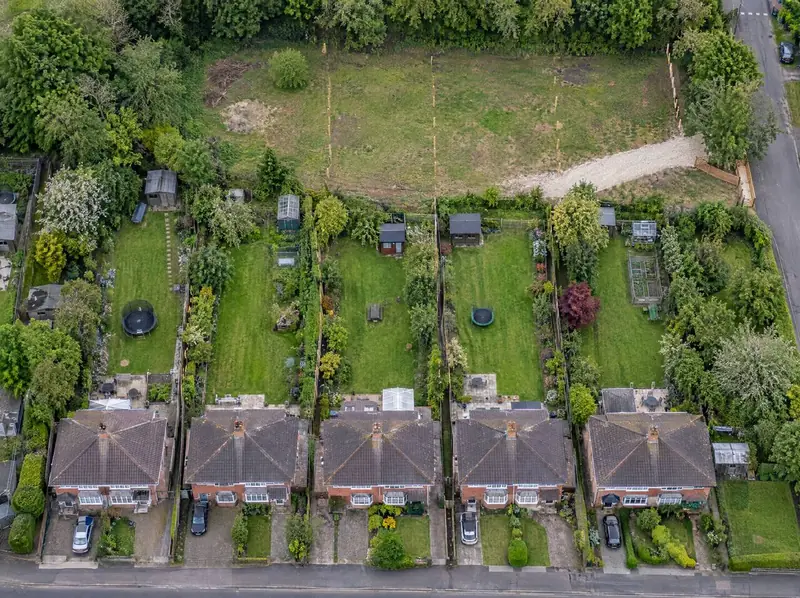
We look at all the titles together, the possible access points, the surrounding homes and the planning policies that apply, then explain whether a combined scheme looks realistic and roughly what it might allow.
Meet the neighbours
We meet the owners together or separately, explain how the scheme and the routes work, and answer questions. We don’t approach your neighbours without your agreement, and nobody is committed at this stage.
Agree how value is shared
Heads of terms set out the route, each owner’s share, any extra for the garden providing the access, what happens if someone drops out, and the cap on each owner’s reasonable legal fees where it applies.
Collaboration agreement
Each owner’s own solicitor reviews the documents, and everyone signs a collaboration agreement alongside the sale, option or promotion agreement. Mortgage lenders are asked to consent early, and the agreements are usually protected on each title.
One planning application
We prepare and submit a single application for the whole site, with one shared access and a layout designed around all the existing homes. The council decides it, and nobody can promise the result.
Completion and shares paid
When the site is sold with planning, or bought by us as agreed, each owner transfers their part, and the proceeds are divided through the solicitors exactly as the collaboration agreement sets out.
Combine neighbours’ gardens in towns across Kent
- Maidstone
- Gillingham
- Chatham
- Tunbridge Wells
- Folkestone
- Margate
- Ashford, Kent
- Canterbury
- Sittingbourne
- Gravesend
- Dartford
- Ramsgate
- Dover
- Tonbridge
- Strood
- Whitstable
- Deal
- Sevenoaks
- Rochester
- Herne Bay
- Broadstairs
- Faversham
- Swanley
- Longfield
- Swanscombe
Questions about combine neighbours’ gardens in Kent
What legal checks apply to combined gardens in Kent?
Every title is checked for mortgages, restrictive covenants and rights of way, and each lender must agree to release the land it holds as security. Each owner has their own solicitor, and the agreements are usually protected on each title.
Is a shared access road allowed on garden schemes in Kent?
Shared access roads are common on backland schemes, but each council judges width, visibility and the effect on neighbours. The scheme must also allow for fire engine access (or other measures, often sprinklers, agreed with building control and the fire service where a fire engine can’t get close enough), and bins have to be collected within a sensible distance. We check access first at every appraisal.
Do you help neighbours combine gardens in Kent?
Yes. We cover Kent as part of our coverage of England and Wales. We appraise the combined land free of charge, explain the routes open to the group, and set out how value would be shared before anyone commits.
How long does planning take for a garden plot in Kent?
The council usually has eight weeks from validation to decide a small application, though extensions are often agreed, and the whole process takes longer. Surveys, design work, pre-application advice and amendments all add time, and some ecology surveys can only be done at certain times of year. We’ll give you a realistic timetable for your plot rather than a promise.